
Clara's Perspective
The SandmanTraces Clara's rational outlook and her role as a foil to Nathaniel's mysticism.
increasing Bearing strength in each event
 decreasing
Bearing strength in each eventdecreasingClara's response to the Sandman story
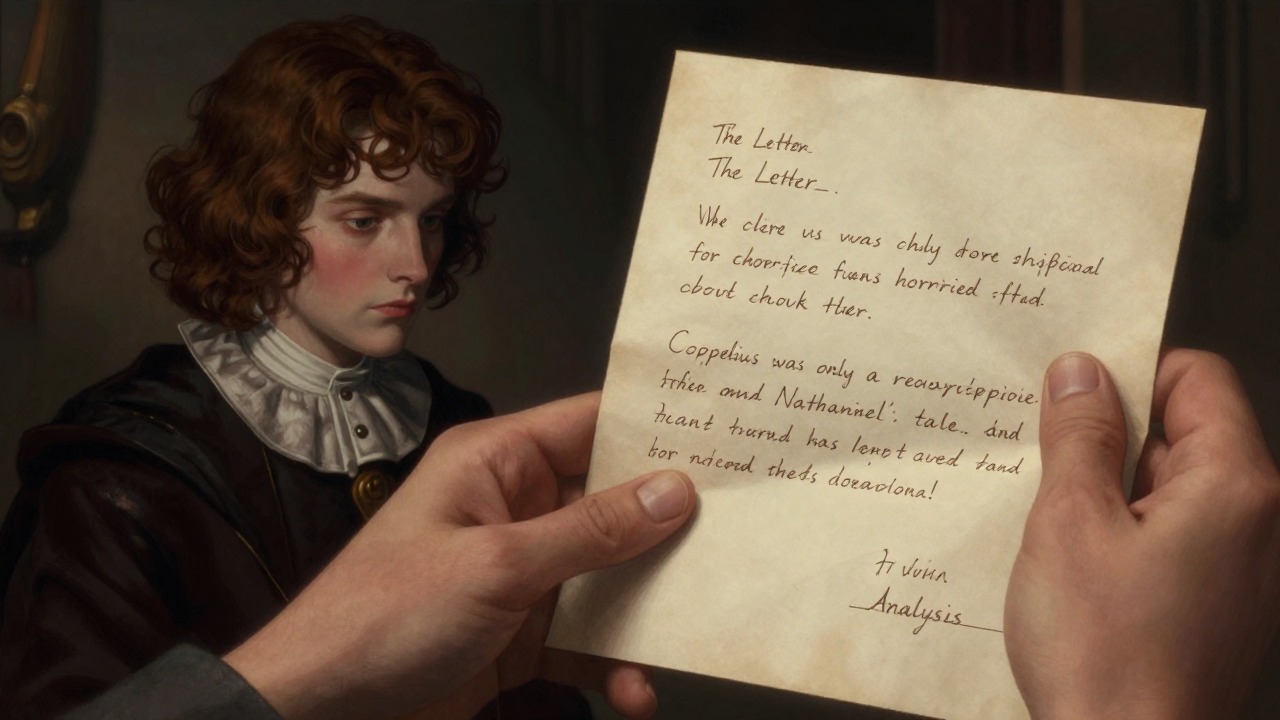
The Rational Explanation
The Letter
Clara opened the letter meant for Lothar and was horrified by Nathaniel's tale. But soon she recovered her composure.
The Analysis
She wrote back that Coppelius was only a repulsive figure from childhood, and that Nathaniel's imagination had turned him into a monster. The alchemical experiments were harmless, and the father's death was an accident.
The Challenge
Clara argued that dark forces only have power if we believe in them. She urged Nathaniel to banish Coppelius from his thoughts.
Opposition to Nathaniel's mysticism
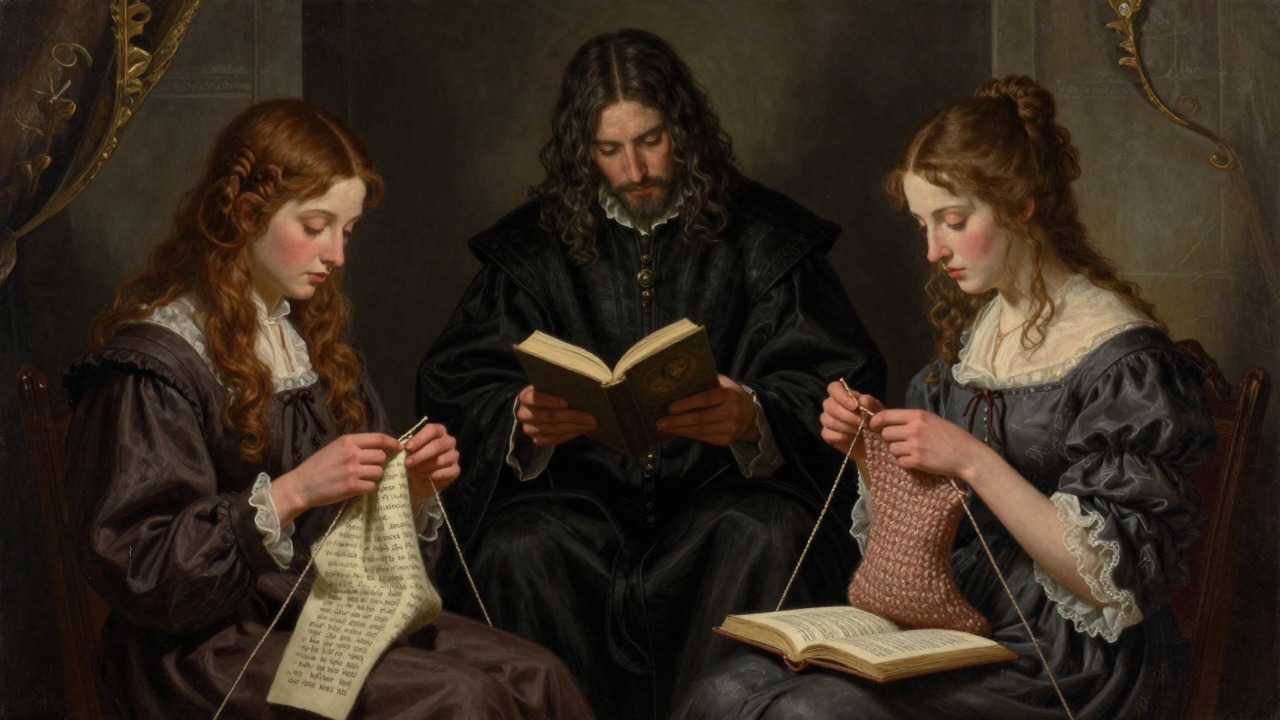
The Collision of Worldviews
The Mystical Lectures
Nathaniel tried to teach Clara about dark forces and fate. She found it repugnant and boring. She would interrupt with practical matters.
The Knitting
During Nathaniel's reading of his poem, Clara knitted quietly. When he finished, she told him to burn the 'raving fairy tale'. This enraged him.
The Automaton Accusation
Nathaniel called her a 'lifeless automaton'. Clara wept bitterly, feeling he never loved her and didn't understand her.
Clara's happiness after Nathaniel's death
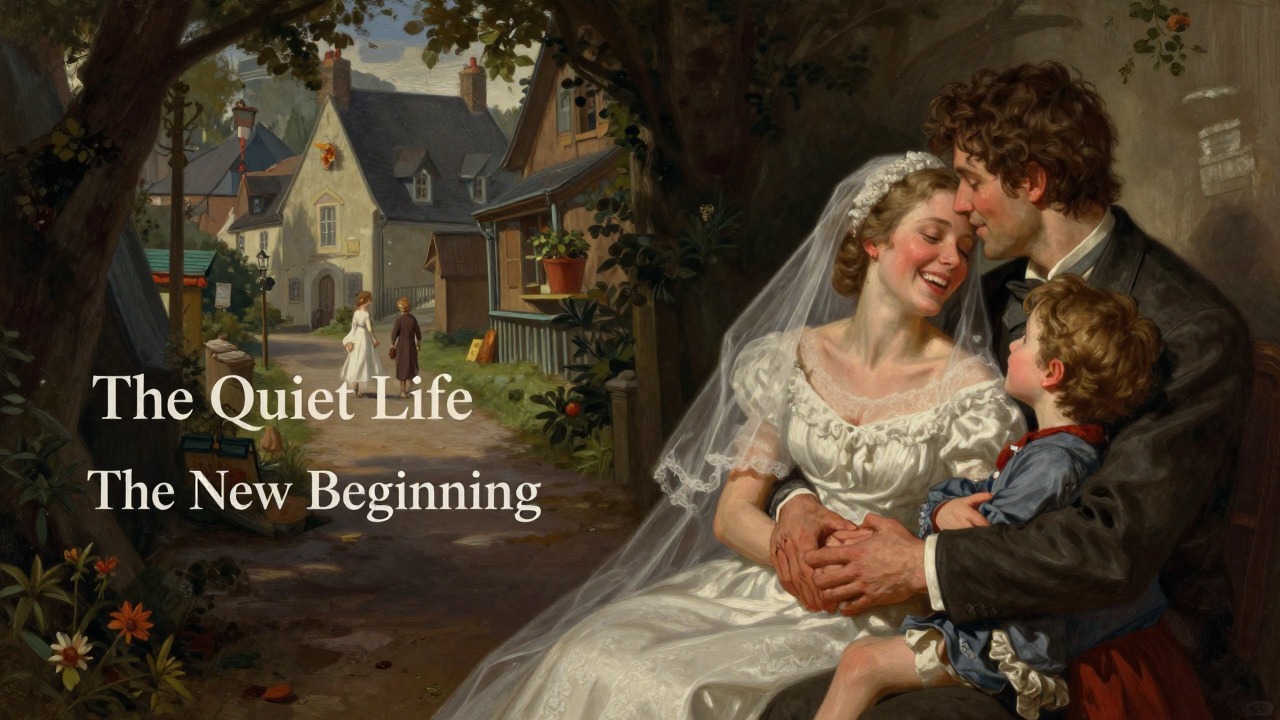
The Quiet Life
The New Beginning
Clara was seen in a distant town, married to a friendly man, with two children. She found domestic bliss.
The Contrast
Her cheerful, practical nature allowed her to move on. Nathaniel, with his torn and troubled spirit, could never have given her that happiness.
The Final Word
Clara's fate underscores the story's theme: the prosaic, rational life can be a refuge from the destructive power of dark imagination.
After receiving Nathaniel's misaddressed letter
During Nathaniel's visit home
Years after the tragedy
